Electrical systems across the United States rely on safe, stable power delivery. Isolation transformers play a quiet but critical role in protecting equipment and people from electrical hazards. They separate circuits electrically while still allowing power to flow through magnetic coupling. This separation reduces noise, prevents shock hazards, and improves overall power quality. Homeowners, hospitals, and factories all depend on this technology daily. Understanding how these devices work helps you choose the right one. This guide breaks down their benefits, uses, and features in simple terms.
What Are Isolation Transformers?
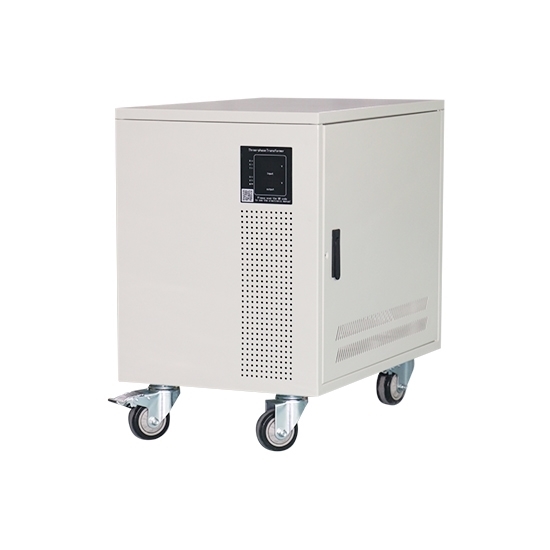
An isolation transformer is a device that transfers electrical power between two circuits. Unlike standard transformers, it does not create a direct electrical connection. Instead, it uses magnetic coupling between primary and secondary windings. This design blocks unwanted current paths and reduces electrical noise. It also stops direct current from passing between circuits. Many industries use this setup for safety and signal clarity. The core function stays simple: deliver clean power without a shared ground path. This separation is often called galvanic isolation in engineering terms.
How Do They Work?
The working principle relies on electromagnetic induction rather than direct wiring. Power enters the primary winding and creates a magnetic field. That field induces voltage in the secondary winding without physical contact. Since there is no shared conductor, electrical noise gets filtered out naturally. This process also blocks ground loops that cause interference in sensitive equipment. The output voltage can match or differ from the input, depending on design. Engineers often adjust the turns ratio for specific voltage needs. This flexibility makes them useful across many voltage requirements and settings.
Key Benefits of These Transformers
Businesses and homeowners choose these devices for several practical reasons. They improve safety, reduce equipment damage, and support cleaner power delivery. Sensitive electronics benefit greatly from reduced electrical noise and interference. Facilities with medical or laboratory equipment often require this added protection layer. Power quality issues like voltage spikes become easier to manage with proper isolation. Reduced leakage current also lowers the risk of electric shock during equipment contact. These combined advantages explain why they remain popular across residential, commercial, and industrial settings throughout the country.
Benefits at a Glance
- Reduces electrical noise and interference for sensitive devices
- Prevents ground loops between connected equipment
- Lowers risk of electric shock through galvanic isolation
- Protects against voltage spikes and minor surges
- Improves overall power quality and equipment lifespan
- Supports compliance with electrical safety codes
Common Applications
Many industries rely on isolation transformers for daily operations. Hospitals use them to protect life-support and diagnostic equipment from power disturbances. Data centers install them to keep servers running without noise-related errors. Manufacturing plants use these transformers to shield automation systems from voltage fluctuations. Audio and broadcasting studios depend on them for clean, interference-free signal transmission. Even household applications, like powering test equipment safely, benefit from this technology. Because they work across so many settings, their demand continues growing steadily in the United States.
Industries That Rely on These Transformers
- Healthcare facilities and diagnostic imaging centers
- Data centers and IT server rooms
- Manufacturing and industrial automation plants
- Broadcasting studios and audio production houses
- Laboratories handling sensitive measurement instruments
- Residential workshops using power tools safely
Key Features to Look for in Isolation Transformers
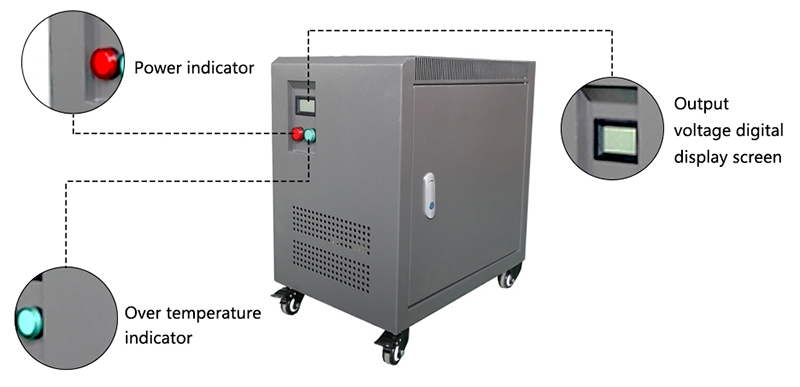
Choosing the right unit depends on understanding its core features. Voltage rating must match your equipment’s electrical requirements precisely. Power capacity, measured in kVA, determines how much load it can handle. Shielding quality affects how well noise gets blocked between windings. Enclosure type matters too, especially for outdoor or industrial environments. Efficiency ratings influence long-term energy costs and performance consistency. Buyers should also consider certification standards like UL or NEMA compliance. These features together determine reliability, safety, and long-term value for any application.
Must-Have Features
- Accurate voltage and frequency matching for your system
- Adequate kVA rating for expected load demands
- Electrostatic shielding for improved noise reduction
- Durable enclosure suited to installation environment
- UL or NEMA certification for safety compliance
- Low leakage current specifications
Isolation Transformers vs Standard Transformers
Standard transformers primarily adjust voltage levels between circuits. They do not always guarantee electrical isolation between primary and secondary sides. Isolation transformers, however, are specifically designed to separate circuits completely. This distinction matters most in safety-critical or noise-sensitive applications. Standard transformers may still share a common ground reference. That shared connection can allow noise or fault currents to pass through. They eliminate this risk through their winding design. For facilities needing strict safety compliance, this difference becomes an essential deciding factor.
Safety and Maintenance Considerations
Proper installation significantly affects how well isolation transformers perform over time. Regular inspection helps catch insulation wear before it causes failures. Technicians should check winding temperature, especially in high-load environments. Dust and moisture buildup can reduce efficiency, so ventilation matters. Periodic testing of insulation resistance ensures continued electrical safety. Facilities should also verify grounding connections meet local electrical codes. Routine maintenance extends equipment lifespan and prevents unexpected downtime. Following manufacturer guidelines keeps them operating safely and efficiently for many years of dependable service.
Frequently Asked Questions
What is an isolation transformer used for?
It separates two electrical circuits while still transferring power safely. This protects equipment from noise, ground loops, and shock hazards.
Why do sensitive electronics need isolation transformers?
Sensitive devices are easily affected by electrical noise and voltage fluctuations. They filter this interference, keeping performance stable and reliable.
Where are they commonly installed?
They are common in hospitals, data centers, laboratories, and manufacturing plants. Homes and workshops also use single phase isolation transformers for safety.
How does an isolation transformer improve safety?
It removes the direct electrical connection between circuits using magnetic coupling. This reduces the risk of electric shock during equipment contact.
What size isolation transformer do I need?
Sizing depends on your equipment’s voltage and total power load. Consulting a licensed electrician ensures accurate and safe sizing.
Can they help reduce energy costs?
Efficient models can slightly lower losses compared to older transformer designs. Choosing high-efficiency ratings supports better long-term energy savings.