Choosing the right motor control equipment can feel overwhelming. If you run pumps, fans, or small machines on a standard power supply, 1 phase VFDs are likely the smartest upgrade you can make. These compact drives let you control motor speed, cut energy waste, and extend equipment life without needing three-phase power. Whether you’re a homeowner running a well pump or a shop owner managing light machinery, understanding how these variable frequency drives work will help you pick the right one. This guide breaks down everything in plain, practical language.
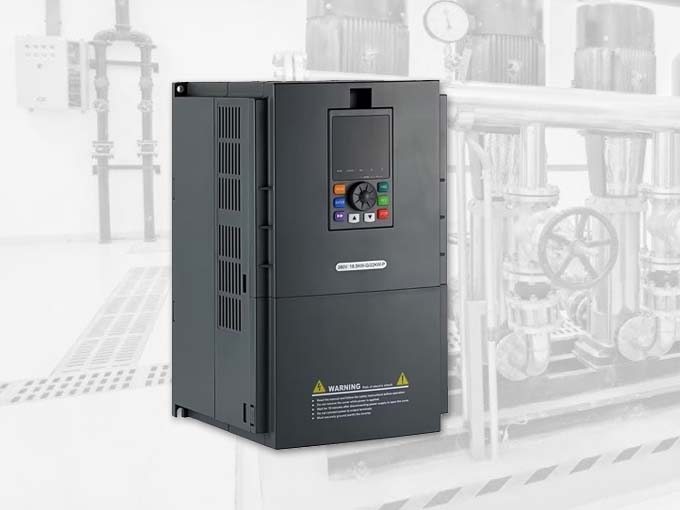
What Are 1 Phase VFDs and How Do They Work
A variable frequency drive is an electronic controller that adjusts motor speed. 1 phase VFDs specifically accept single-phase input power, usually 120V or 240V. They convert incoming AC power into DC, then rebuild it into a controlled AC output. This process lets the motor run at variable speeds instead of one fixed setting.
The result is smoother starts, lower current spikes, and better control over torque. Instead of a motor slamming on at full speed, the drive ramps it up gradually. This reduces mechanical stress and protects connected equipment, wiring, and bearings over the long run.
How the Conversion Process Works
- Incoming single-phase AC power enters the rectifier stage
- The rectifier converts AC into smooth DC voltage
- A capacitor bank filters and stores the DC energy
- An inverter section rebuilds the DC into adjustable AC output
- The motor receives variable frequency and voltage for speed control
Why 1 Phase VFDs Matter for Modern Motor Control
Many homes and small facilities don’t have access to three-phase power. That’s exactly where single-phase drives step in. They give ordinary single-phase motors the same kind of intelligent control that industrial three-phase systems enjoy, without needing costly rewiring or a phase converter installed separately.
This matters even more today as energy costs keep rising across the United States. A motor running at full speed constantly wastes power when the job doesn’t require it. Speed-matched control means motors only use the energy actually needed for the task at hand, which adds up to real savings over a full year of operation.
Key Benefits of Using 1 Phase VFDs
- Lower electricity bills through matched motor speed and load
- Reduced mechanical wear from soft starts and gentle stops
- Quieter operation compared to direct-on-line motor starting
- Built-in protection against overcurrent, overheating, and voltage spikes
- Simple integration into homes, farms, and small workshops
- Longer motor and equipment lifespan with less maintenance downtime
Where 1 Phase VFDs Are Commonly Used
These drives show up in more places than most people realize. Anywhere a small motor needs adjustable speed, a single-phase drive can usually handle the job. The applications range from simple household tasks to more demanding light industrial setups.
Residential Applications
Homeowners often use these drives for well pumps, sump pumps, and irrigation systems. A drive keeps water pressure steady even when household demand changes throughout the day. HVAC blowers and small workshop tools also benefit, running quieter and using less electricity than a motor started directly across the line.
Industrial and Light Commercial Applications
Small manufacturing shops rely on these drives for conveyors, mixers, and packaging equipment. Woodworking and textile machines often use single-phase motors that need frequent speed changes. Booster pump systems in small commercial buildings also depend on this kind of drive to maintain consistent water pressure during variable demand periods throughout the workday.
How to Choose the Best 1 Phase VFD
Picking the right 1 phase VFD isn’t complicated once you know what to look for. Match the drive’s voltage and current rating to your motor’s nameplate specifications first. Oversizing slightly is generally safer than cutting it too close to the motor’s actual draw.
Voltage, Power Rating, and Control Features
- Confirm input voltage matches your available supply, either 120V or 240V
- Check the horsepower or amperage rating against your motor’s nameplate
- Look for adjustable acceleration and deceleration timing
- Choose a unit with built-in overload and thermal protection
- Prioritize models with a clear digital display and simple programming
- Consider PID feedback control if pressure or flow must stay constant
Beyond specs, think about the environment where the drive will sit. Dusty workshops or humid pump rooms need enclosures rated for that exposure. A drive built for clean indoor cabinets won’t hold up well in a barn or an outdoor pump house without extra protection.
Single Phase vs Three Phase VFDs: Key Differences
Three-phase drives generally handle heavier loads and run more efficiently at higher power levels. However, they require three-phase input power, which many homes and small buildings simply don’t have. Single-phase units solve this gap by working directly with ordinary household or light commercial wiring.
Some single-phase drives can even output three-phase power to the motor, effectively acting as a small phase converter. This is useful when you own a three-phase motor but only have single-phase supply available. Performance won’t quite match a true three-phase system, but it’s a practical and affordable workaround for smaller equipment.
Installation Tips for Long-Term Performance
Proper installation prevents most of the problems people run into with variable frequency drives. Grounding matters more than many installers expect. A poor ground connection can cause erratic readings, nuisance tripping, or even damage to sensitive electronic components inside the unit.
Keep control wiring separated from power wiring wherever possible. Running them together invites electrical interference that can affect signal accuracy. Mount the drive in a location with adequate airflow, since heat buildup shortens the lifespan of internal components. Following the manufacturer’s torque specs on wiring terminals also helps avoid loose-connection issues down the road.
Common Installation Mistakes to Avoid
- Skipping proper grounding or using undersized ground wires
- Mounting the drive in a poorly ventilated enclosure
- Ignoring recommended cable shielding for control wiring
- Undersizing the breaker or disconnect ahead of the drive
- Failing to program motor parameters before first startup
Making the Right Choice for Your Application
Selecting a quality variable frequency drive comes down to matching the unit to your motor, your power supply, and your working environment. Take time to review nameplate data, expected duty cycle, and any special features your application demands, like pressure feedback or programmable speed presets. When comparing 1 Phase VFDs, consider their compatibility with your motor and the specific requirements of your application.
Buying from an established manufacturer also matters. Look for clear documentation, responsive technical support, and a warranty that reflects real confidence in the product. A well-chosen single-phase drive pays for itself through lower energy bills, smoother operation, and fewer repair calls over its working life.
FAQs
What is a 1 phase VFD used for? It controls the speed of single-phase motors by adjusting voltage and frequency. This improves efficiency in pumps, fans, and small industrial machines.
Why do single-phase motors need speed control? Fixed-speed motors waste energy when running faster than the job requires. Speed control matches output to actual demand, saving power.
Why are these drives popular in residential settings? Most homes only have single-phase power available. These drives bring advanced motor control without needing three-phase wiring installed.
Where can 1 phase VFDs be installed safely? They work in indoor panels, pump houses, and workshop settings. Choose an enclosure rating suited to dust, heat, or moisture exposure.
Where do these drives offer the biggest energy savings? Pumping and HVAC applications typically see the largest savings. Variable loads benefit most from speed-matched motor operation.
How does a 1 phase VFD protect connected motors? Built-in features guard against overcurrent, overheating, and voltage spikes. Soft-start ramping also reduces mechanical stress during startup.
How do I size a drive correctly for my motor? Match the drive’s voltage and amperage rating to the motor’s nameplate. Selecting a slightly larger unit is often the safer choice.